


You want to live abroad, discover a new culture and improve your language skills. Maybe you’ve just finished school, are taking a gap year, or simply feel like doing something different before deciding on your next step.
There’s just one problem: moving abroad can be expensive, and organising everything yourself can feel overwhelming.
Have you considered becoming an au pair?
Being an au pair is one way to experience life in another country without having to organise everything from scratch. You live with a local family, help look after their children and become part of their everyday life. In exchange, you generally receive accommodation, meals and pocket money, with time to explore your new surroundings.
It’s an opportunity to experience a country from the inside, rather than just visiting it as a tourist.
But what is life as an au pair really like? How do you find a family? And what do you need before you leave?
Let’s look at everything you need to know to get started.
1. What is an au pair?
An au pair is a young person who lives with a host family in another country and helps with childcare and, within agreed limits, light household tasks.
In return, the family provides accommodation, meals and pocket money. The arrangement is designed primarily as a cultural and language exchange, although the exact legal framework depends on the country.
Your daily routine might include helping children get ready for school, preparing simple meals, playing with them, picking them up after school or helping with homework. You might also help with tasks directly related to the children, such as tidying their toys or doing their laundry.
In your free time, you can attend language classes, explore the city, meet other young people and discover your host country’s culture.
An au pair stay can last a few months, a summer or longer, depending on the country and the arrangement with the family.
The important thing to remember is that being an au pair is not simply a way to get free accommodation abroad. It involves real responsibilities, particularly when children are involved. It’s best suited to someone who genuinely enjoys spending time with children and wants to become part of family life.
2. Why become an au pair? The benefits of living abroad
There are plenty of ways to move abroad, from studying at university to finding a job or travelling independently. So why choose an au pair experience?
A more affordable way to travel
One of the biggest advantages is the financial side.
When you travel independently, accommodation and food can quickly eat into your savings. As an au pair, these are generally provided by your host family, alongside pocket money.
This can make living abroad more accessible if you’re young, have limited savings or want to spend several months overseas without relying entirely on your parents for financial support.
You’ll still need to budget for flights or transport, insurance where required, visa fees if applicable, personal expenses and activities during your free time. Don’t assume that every cost will be covered.
Improve your language skills naturally
Taking language classes is useful, but using a language every day is a different experience altogether.
Living with a local family gives you opportunities to practise through ordinary conversations: at breakfast, while helping the children with homework, or when chatting about your day.
You may feel awkward at first, especially if you struggle to understand different accents or express yourself. But that’s part of the learning process.

Over time, you’ll become more confident, pick up everyday expressions and understand how people actually communicate in your host country.
Experience a culture from the inside
When you visit a country as a tourist, you tend to see the highlights. When you live with a family, you discover the small details that make everyday life different.
You might learn how another culture approaches family time, food, school, celebrations or work-life balance. You may even find yourself adopting a few local habits.
You’ll also get a better understanding of the country’s culture beyond what you see on social media or in guidebooks.
Gain independence and confidence
Moving abroad means learning to navigate unfamiliar situations, from taking public transport to making friends and managing your own schedule.
You may have to solve problems in another language, deal with homesickness or adjust to routines that are very different from your own.
These experiences can help you become more independent, adaptable and comfortable stepping outside your comfort zone.
And yes, there will probably be moments when you wonder why you ever decided to leave home. That’s normal, too.
Meet people and build an international network
Your host family can be your first connection to local life to help you build your life abroad, but your experience doesn’t have to stop there.
Language classes, international communities, local clubs and other au pairs are great places to meet people. You might make friendships that last long after your stay ends.
You’ll also meet people from different backgrounds and discover that there are many ways to live, work and build a life.
Take time to figure out what’s next
Not everyone knows exactly what they want to do at 18, 20 or 25. And that’s perfectly fine.
An au pair experience can be a useful transition between school and university, between two jobs, or before committing to a particular career path.
It gives you time to discover a new environment, reflect on your interests and gain experience that you can later talk about in interviews. You may realize that you have a grown a lot and gone through some identity shifts.
It isn’t a guaranteed career shortcut, but it can help you develop useful skills and a broader perspective.
3. Meet Cinthya: Her first experience abroad as an au pair
If you’re wondering what an au pair experience can lead to, meet Cinthya.
Cinthya was 19 when she first went abroad as an au pair. Originally from France and now living in Brighton, she used au pair placements to experience life in different countries, including the United States and Australia.
In her episode of Meet the Expats, she talks about how to become an au pair, the requirements to consider and how to make sure you choose a family that will look after you properly.
For her, becoming an au pair was a way to experience life abroad without having to organise every detail of the move alone. With accommodation and meals provided, it can be a particularly accessible option for young people who don’t have a big travel budget.
Cinthya’s story didn’t end with au pairing, either. She later spent six months interning at a hotel in Siem Reap, Cambodia, where she experienced a very different kind of culture shock. From the weather and food to the pace of work and getting around, everyday life challenged what she was used to.
Her journey is a good reminder that going abroad doesn’t have to mean having your entire future mapped out. One experience can lead to another, and each move can teach you something new about the world and yourself.
4. What are the requirements to become an au pair?
Before you start searching for a family, it’s worth checking whether you meet the requirements for your chosen destination.
The rules vary by country, so there isn’t one universal set of conditions. However, there are a few common things to consider.
Age
Many au pair programmes are aimed at young adults, often between 18 and 30, although the exact age range depends on the country and the type of placement.
Some destinations have a lower maximum age, while others have different rules for European and non-European applicants.
Check the official requirements before making plans.
Language skills
You don’t necessarily need to speak the local language fluently. In many cases, a basic level is enough to get started, but some countries or families may expect more.
You should be able to communicate with your host family about daily routines, responsibilities and any problems that arise. You’ll also need to understand instructions when looking after children.
A willingness to learn is important, and some programmes require you to attend language classes during your stay.
Experience with children
You don’t always need a childcare qualification, but experience with children is a real advantage.
Think about any babysitting you’ve done, helping to look after younger siblings, volunteering at children’s activities or working at a summer camp.
Be honest about your experience. Looking after children is a responsibility, and families need to know what you’re comfortable doing.
Motivation and flexibility
Being an au pair means sharing a home with people whose routines, habits and expectations may differ from yours.
You need to be patient, responsible and willing to adapt. You should also be comfortable communicating openly when something isn’t working.
You don’t have to be perfect or know everything before you leave. What matters is being realistic about the experience and ready to learn.
Visa, insurance and paperwork
This is the part you shouldn’t leave until the last minute.
Depending on your nationality and destination, you may need a visa or specific residence status. You may also need a written au pair agreement, health insurance, medical documents or other administrative paperwork.
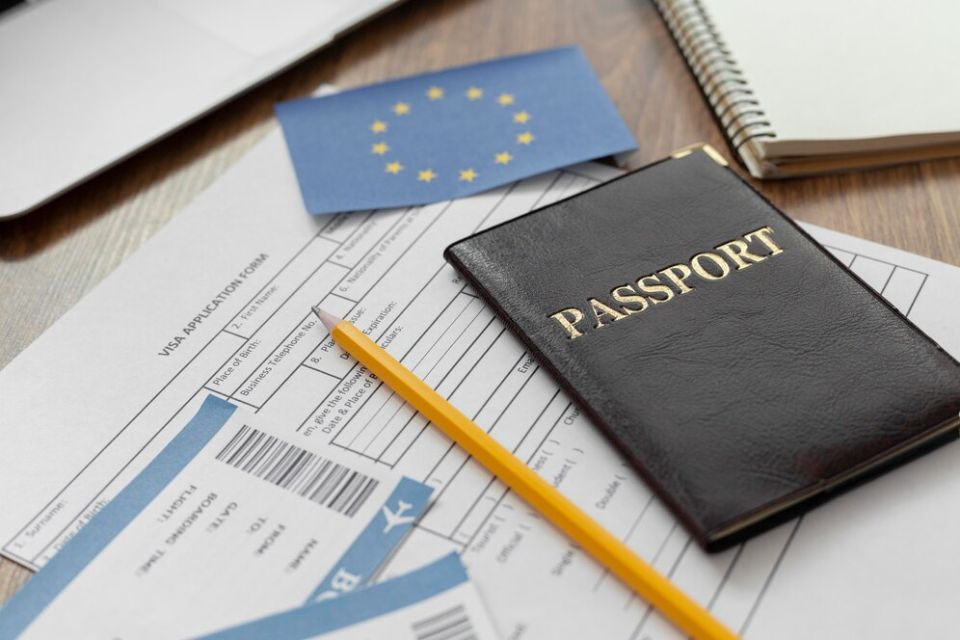
Check the requirements with the relevant embassy or official government website. Don’t assume that rules for tourists also apply to au pairs.
Before you commit, make sure you understand the arrangements for accommodation, meals, pocket money, working hours, days off and insurance.
5. How to become an au pair abroad: Step by step
Ready to start looking? Here’s a practical way to approach the process.
Step 1: Choose your destination
Start by thinking about what you want from the experience.
Do you want to improve your English? Are you curious about living in the United States, Australia or somewhere in Europe? Would you prefer a big city, a coastal town or a quieter area?
Consider the cost of living, transport, climate, language, visa requirements and how easy it will be to meet people.
You don’t need to choose your destination based on the most popular au pair countries. Choose somewhere that genuinely interests you and where the requirements fit your situation.
Step 2: Set your dates and budget
Decide when you could leave and how long you want to stay.
A summer placement might suit you if you’re studying, while a longer stay could give you more time to settle in and improve your language skills.
Work out how much money you’ll need before departure. Even if accommodation and food are provided, keep an emergency fund for unexpected travel, personal expenses or a change of plans.
It’s also worth checking whether you’ll have enough free time to attend language classes and explore your destination.
Step 3: Find a host family
You can search through a specialist au pair agency or use an online platform that connects au pairs and host families.
When comparing options, look beyond the photos and the location. Read the family’s profile carefully and make sure the proposed arrangement matches your expectations.
You can explore AuPairConnect, a platform designed to connect au pairs with host families using profiles and compatibility features.
Whichever route you choose, do your own checks and take time to get to know the family before accepting a placement.
Step 4: Interview the family
Once you’ve found a potential match, arrange a video call. Ideally, speak more than once before making a decision.
Ask about a typical weekday, the children’s ages, the tasks expected of you, your schedule and how much free time you’ll have.
Find out whether you’ll have your own room, how meals work, whether the family expects you to drive and how they handle weekends or holidays.
It’s equally important to discuss what happens if you have a disagreement or the placement doesn’t work out.
A family that welcomes questions and gives clear answers is a much better sign than one that rushes you into a decision.
Step 5: Agree on the details in writing
Before booking your travel, make sure you have a clear written agreement that follows the rules of your destination.
It should cover your responsibilities, hours, pocket money, accommodation, meals, time off, notice arrangements and any other relevant conditions.
Confirm who pays for insurance, travel to and from the placement, language classes and other expenses.
Don’t rely on vague promises such as “we’ll work it out when you arrive”. Clear expectations protect both you and the family.
Step 6: Sort out your paperwork and prepare to leave
Once you’ve agreed on a placement, check the visa process and any other formalities that apply to you.
Arrange suitable insurance, keep copies of important documents and share your host family’s contact details and address with someone you trust.
Before leaving, research transport, local customs and ways to meet other young people. It can help to join an au pair community or find a language class before you arrive.
And remember: it’s normal to feel excited and nervous at the same time.
6. How to find the right host family and stay safe
Choosing the right family can make a huge difference to your experience.
You’re not just looking for somewhere to sleep. You’re choosing the people you’ll live with, the children you’ll care for and the environment in which you’ll spend a significant part of your time.
Here are a few things to keep in mind.
Have several conversations before committing. A quick video call may not be enough to understand what daily life will look like. Ask questions and notice whether the family takes your concerns seriously.
Ask for a realistic schedule. Make sure the hours and responsibilities are clearly defined. You should know when you’re expected to work and when you’re free.
Check the accommodation. Ask to see your room on a video call and clarify whether you’ll have privacy and access to the facilities you need.
Speak to a previous au pair if possible. First-hand feedback can help you understand what the family is like to live with.
Trust your instincts. Be cautious if a family asks you to pay large sums upfront, refuses to speak by video, pressures you to travel before paperwork is complete or avoids discussing duties and working hours.
Keep a backup plan. Have emergency savings, access to your documents and the contact details of someone you trust. Know what to do if you feel unsafe or need to leave the placement.
The aim isn’t to be suspicious of every family. It’s to make an informed decision and start your experience with confidence.
7. What is daily life as an au pair really like?
It’s easy to imagine the exciting parts of living abroad: exploring a new city, discovering cafés, making friends and practising a language.
And those things can absolutely be part of the experience.
But being an au pair also means having a routine. You might need to wake up early, prepare breakfast, get children ready for school, organise activities or help with dinner.
Some days will be fun and rewarding. Others will be tiring, especially if the children are young or you’re still getting used to the language.
You may also experience homesickness, cultural misunderstandings or moments when you feel like an outsider.
That’s why it’s important to think about whether you genuinely enjoy spending time with children. If your only motivation is to travel cheaply, an au pair placement may not be the right choice.
The best experiences tend to come when both sides communicate well, respect the agreed boundaries and understand that living together takes adjustment.
And don’t forget to make the most of your free time. Join a club, take language classes, explore your neighbourhood, travel when you can and build a life outside the host family.
You’re there to help with childcare, but you’re also there to have an experience of your own.
8. A note for parents: Should you host an au pair?
An au pair arrangement can be a rewarding option for families, too.
If you have young children and want to introduce them to another language or culture, hosting an au pair can bring an international dimension into your home. It can also provide help with childcare routines, school runs and agreed tasks related to the children.
However, hosting an au pair is not simply a way to find cheap childcare. It means welcoming another person into your home and making space for their needs, privacy and cultural adjustment.
Before looking for a candidate, think about what support you actually need. Define the schedule, responsibilities, accommodation and pocket money, and check the legal requirements in your country.
Make sure the au pair will have appropriate private space, sufficient time off and the opportunity to attend any required language classes. They should also have a clear point of contact if they need help or feel uncomfortable.
Compatibility matters on both sides. A family and an au pair should be able to talk openly about parenting styles, routines, food, house rules and expectations before agreeing to live together.
For parents who are ready to welcome someone into their family, AuPairConnect is one place to start exploring potential matches.
The goal is to create a positive cultural exchange in which the children, the parents and the au pair all feel respected.
9. Is becoming an au pair the right choice for you?
Becoming an au pair can be a great way to take your first steps abroad, especially if you want to improve your language skills, discover a new culture and gain independence without having to cover all your living expenses yourself.
It can also be challenging. You’ll need to take responsibility for children, adapt to a new household and navigate the practical realities of living in another country.
Before you decide, ask yourself three questions:
- Do I genuinely enjoy spending time with children?
- Am I comfortable sharing a home and adapting to another family’s routines?
- Am I ready to take responsibility for myself while living in an unfamiliar place?
If the answer is yes, an au pair experience could be an exciting next step.
You don’t need to have your whole future figured out before you go. Sometimes, the best way to discover what you want is to put yourself in a new environment, meet different people and see what happens.
As Cinthya’s story shows, one experience abroad can open the door to another. Your au pair stay might be the beginning of a longer journey, or simply a chapter that teaches you something valuable about yourself.
Either way, it could be a wonderful place to start.
Ready to take the leap? Listen to Meet Cinthya: Au Pair from One End of the World to the Other.
Important: Age limits, visas, insurance, working hours and financial arrangements vary by country and nationality. Always verify the current official requirements for your destination before accepting a placement.