


Expat life is thrilling despite all the challenges. Bring children into the mix, your decisions to live abroad no longer just impact yourself and your partner, it suddenly takes a whole new dimension both should be prepared for.
Whether you’ve just moved abroad or already have experience living abroad, the arrival of child changes the experience in so many ways and comes with it’s lot of questions and challenges. You’re no longer just and expat, you’re an Expat Parent!
Three couples share their expat parenting tips in different situations to find your balance and watch your children thrive as Third Culture Kids.
1. Moving abroad with children
A new opportunity has a arised and it’s time to tell your children you are moving abroad or changing country. Communication is key, sit them down and explain why you are moving, where how you are excited what the next steps are. This is a lot to take for children and change can be daunting, so identifying where their fears lie makes everything easier.
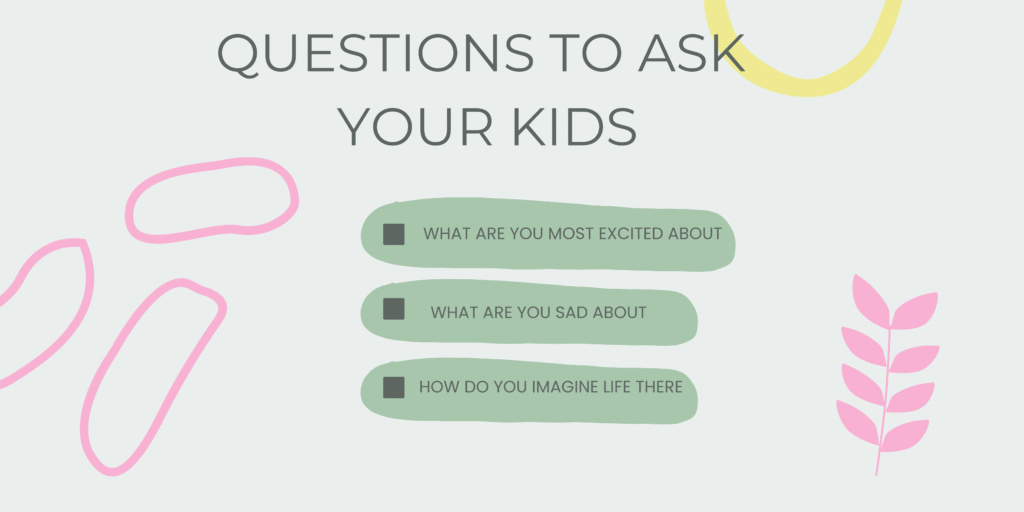
Emily shared a game she played with her children to identify this: turn in turn, both parents and children would share one thing they are looking forward to, one thing they fear. this helps identify the fears which in some cases are very easliy calmed down.
2. Multi-cultural expat parents
Your partner and yourself are from different cultures, on top you live abroad, and now you are expecting a child. How do you navigiate the three different cultures your child will experience? Angela, expat parent coach shares important questions parents should discuss.
- What does parenthood look like for us, what traditions and values do we want to share.
- How can each be present for the children, and where does each ones career fit in.
- Taking into account the local culture, and system what help can we get and afford.
Communication is the cornerstone, and setting the expectations and boundaries you both have when it comes to culture, career, time, family ideal and in general you life abroad will be key, and avoid potential frustrations and resentment.
3. Including pieces of your culture as an expat parent
Your children were born and raised away from your home country? Mariam shares how she and her husband have brought in pieces of their traditions to the children whom have each created their own culture and identity.

- Family traditions: they choose to celebrate specific holidays even if they aren’t celebrated where they live
- Languages: as parents they have decided what languages are important for them to learn and speak it at home. Regarding languages, a few methods are possible, some parents opt for the One Parent One Language, meaning each parent speaks their own language with the children and stick to it, let’s say the mother speaks Pakistani, and the father german. Others choose to speak the main language daily, and incorporate the secondary language during set rituals, during meals or bedtime for example.
- Culture: they also incorporate small daily rituals like music, books, meals, that connect their children to their roots while staying open to their host country’s culture. This mix enriches their children’s worldview and helps them feel grounded in their identity, no matter where they are.
4. Find your support system
One of the biggest challenges of raising children abroad is not necessarily the parenting itself, but doing it without your usual support network.
Back home, you might have grandparents available for school pick-ups, siblings who can babysit, or friends you can call when you need a little help. When you move abroad, that network often disappears overnight.
And while living abroad can be an amazing experience for the whole family, parenting without a village can sometimes feel overwhelming.
So how do you build your own support system?
Find your expat community
Other expat parents can be a great source of support. They’ve often been through similar experiences, understand the challenges of raising children away from family and can share practical advice.
Look for local expat groups, international parent communities, school WhatsApp groups or Facebook groups. International schools, community centres and local associations can also be great places to meet families in a similar situation.
You might even find lifelong friends among parents who are navigating the same challenges as you.
Build relationships with local families
It’s easy to stick to the international community, especially when you’ve just arrived somewhere new. But connecting with local parents can help you feel more integrated and give your children opportunities to build friendships beyond the expat bubble.
School events, sports clubs, playgrounds and extracurricular activities are all good places to start. Don’t underestimate the value of a friendly conversation at school pick-up!
Don’t be afraid to ask for help
Asking for help can feel uncomfortable, particularly when you’re used to being independent. But building a support system also means learning to rely on others.
Whether it’s arranging playdates, sharing school runs with another family or asking a friend to look after the children for an afternoon, small gestures can make everyday life much easier.
Consider getting some extra help at home
Depending on your circumstances, having additional childcare support can make a real difference. Some families hire a babysitter or nanny, while others choose to welcome an au pair into their home.
An au pair can be a particularly interesting option for expat families. Beyond helping with childcare and everyday routines, an au pair can bring another language and culture into your home, creating a valuable cultural exchange for both the children and the family.
It’s also an opportunity for young people to experience living abroad themselves. If you’re considering this option, have a look at our guide on how to become an au pair abroad, which also explains what families should consider before hosting an au pair.
Ultimately, building a support system takes time. It means being open to meeting new people, creating connections and sometimes accepting help in ways you might not have needed before.
You may not be able to recreate the village you left behind, but you can build a new one.
Expat parenting doesn’t come with a manual, but sharing stories and tools makes the journey easier. It’s all about creating a space where your children feel safe, seen, and proud of their multicultural identity. You are enabling them to become their unique version of a third culture kid.
After all, thriving abroad isn’t just possible, it’s a beautiful adventure for the whole family.
Leave a Reply