

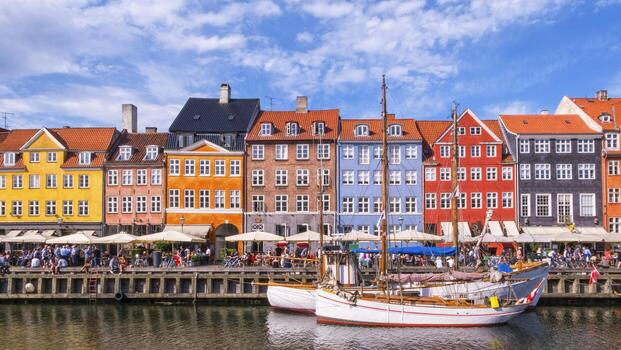
Moving abroad is often romanticized: bike rides through cobblestone streets, cozy cafés, efficient public transport, and a healthier work-life balance. But the reality of expat life in Denmark is more nuanced — especially when you arrive from a very different culture.
In the latest episode of Meet the Expats, Amanda shares her journey from a nomadic bartending lifestyle across 11 countries to eventually settling in Copenhagen with her family. Her story offers an honest look at Danish culture, Nordic work environments, and what it really feels like to build a life in Denmark as an expat.
From Constant Movement to Copenhagen
Before Denmark, Amanda lived everywhere from London and Belgrade to Costa Rica, Jordan, and California. Moving had become second nature.
“I’m perfectly comfortable being uncomfortable.”
That mindset helped her adapt repeatedly, but Copenhagen still surprised her.
Unlike the highly expressive cultures she had experienced before, Denmark initially felt emotionally restrained.
“People are warm, people are open, people are kind. It just takes a minute to adjust to.”
This is one of the biggest culture shocks many expats experience in Denmark: Danish people are often perceived as reserved at first. Conversations can feel more subtle, quieter, and less outwardly enthusiastic than in countries like the U.S., the UK, or Southern Europe.
But underneath that reserved exterior is often a deep sense of trust, respect, and stability.
The Danish Work-Life Balance Is Real
One of the most attractive aspects of life in Denmark is its famous work-life balance — and according to Amanda, it absolutely lives up to the reputation.
“The work-life balance is absolutely amazing.”
In Danish workplace culture, flexibility is deeply integrated into daily life. Parents leave work to pick up children without guilt. Meetings are collaborative. Productivity matters, but not at the expense of wellbeing.
For many expats moving to Copenhagen, this can feel refreshing — especially for those arriving from more competitive or hierarchical corporate cultures.
Amanda explains that Danish companies tend to operate with flatter structures, where collaboration is valued over individual competition.
What Makes Danish Work Culture Different?
Some key differences expats notice when working in Denmark include:
- Flat hierarchies and informal communication
- Managers being approachable and accessible
- Strong emphasis on consensus-building
- Flexible schedules and family-friendly policies
- Less focus on status and titles
- High trust between employers and employees
However, this adjustment can also frustrate newcomers.
“It’s a cycle of meetings to get to agreements where everything feels like they’re heard.”
For expats used to fast decision-making and highly competitive environments, Danish corporate culture may initially feel slow. But over time, many come to appreciate the emphasis on inclusion and collective problem-solving.
The Hidden Challenges of Expat Life in Denmark
Despite Denmark consistently ranking among the happiest countries in the world, expat life there is not always easy.
1. The Nordic Winters
One of the hardest adjustments is the darkness.
In winter, daylight hours become extremely short. Amanda describes how the early sunsets can amplify feelings of isolation.
For newcomers, especially those from sunnier climates, the lack of light can affect mood, energy levels, and social habits.
2. Building Friendships Takes Time
Many expats in Copenhagen mention that making Danish friends can feel difficult initially.
Amanda notes that internationals often fall into “the expat bubble” — socializing mostly with other foreigners because it feels easier and more immediate.
But relying only on expat circles can create instability:
“Your social circle is also changing every two years.”
To build a longer-lasting sense of belonging, many expats eventually seek deeper local connections through hobbies, sports clubs, volunteering, language classes, or neighborhood communities.
3. Adapting to Danish Communication Styles
Danish communication can feel direct, understated, and highly pragmatic.
Amanda even noticed how the language itself reflects this cultural style. Compared to more expressive cultures, interactions may seem emotionally flatter at first — though not unfriendly.
Understanding these subtleties often takes time.
Why So Many Expats Stay in Copenhagen
Despite the culture shock, many internationals eventually fall deeply in love with Copenhagen.
The city offers:
- Exceptional public infrastructure
- Safe neighborhoods
- Family-friendly living
- High-quality healthcare and childcare
- Sustainable urban design
- A slower, more balanced pace of life
For Amanda, Copenhagen gradually transformed from a temporary assignment into home.
Expat Tips for Moving to Denmark
If you’re considering relocating to Denmark, here are a few practical insights inspired by Amanda’s experience:
Accept the Adjustment Period
Denmark can feel emotionally distant at first. Give yourself time before making judgments about the culture.
Don’t Stay Only in the Expat Bubble
International communities are helpful, but long-term happiness often comes from building local connections too.
Embrace the Work-Life Balance
You may need to unlearn hustle culture. In Denmark, rest and personal life are valued.
Prepare for the Winter Darkness
Light therapy lamps, outdoor walks, cozy routines, and social activities can make a huge difference.
Learn the Cultural Nuances
Danish culture values modesty, equality, and cooperation. Understanding these social norms helps tremendously.
Amanda’s Favorite Copenhagen Spots
Amanda also shared a few local recommendations for Copenhagen:
Coffee Spot
- Prolog Coffee Bar — known for excellent coffee and minimalist Copenhagen café culture.
Cozy Neighborhood Favorite
- Café Bopa — a charming hidden courtyard café in Østerbro with a famously cozy atmosphere.
Final Thoughts on Expat Life in Denmark
What makes Denmark special for many expats is not necessarily excitement or intensity — it’s stability, balance, and quality of life.
For people who are comfortable stepping outside their comfort zone, Copenhagen can become more than just another international move. It can become home.
As Amanda puts it:
“You’re going to find your happy space in it.”