


Costa Rica often shows up in expat dreams as palm trees, beaches, pura vida, and an easier way of life. And while all of that can be true, relocation to Costa Rica, just like any international move, is never just about the destination. It’s about learning how things really work once the honeymoon phase wears off.
I sat down with Zach and Anna, serial expats and founders of StartAbroad, to understand how they help individuals and families move to Costa Rica and other countries, without losing their sanity (or savings). After living in Kenya, Rwanda, the Dominican Republic, and now Costa Rica, they’ve seen relocation from every angle, both with employer support and completely on their own.
This article blends their lived experience with practical insights and expat tips, to help you understand what to expect, what to prepare for, and what not to do.
Why Costa Rica Attracts Expats in the First Place
Zach and Anna didn’t move to Costa Rica for a job. They moved because they wanted a different lifestyle, more relaxed, closer to nature and eventually, a place to raise their daughter.
“We wanted to move because we love the place. And we were moving on our own. And that’s a very different experience.” — Anna
Costa Rica attracts expats for many reasons:
- Stable democracy and political climate
- Strong sense of community and family life
- Nature everywhere, jungles, beaches, volcanoes
- A slower pace that challenges hustle culture
- An efficient healthcare system
But that slower pace is also where many expats struggle, especially when coming from the US.
The Reality of Relocation to Costa Rica, Beyond Instagram And the Holidays
Even experienced expats aren’t immune to culture shock, it’s just part of the expat journey.
“Even though now I’ve moved five times, it still got me when I moved to Costa Rica.” — Zach
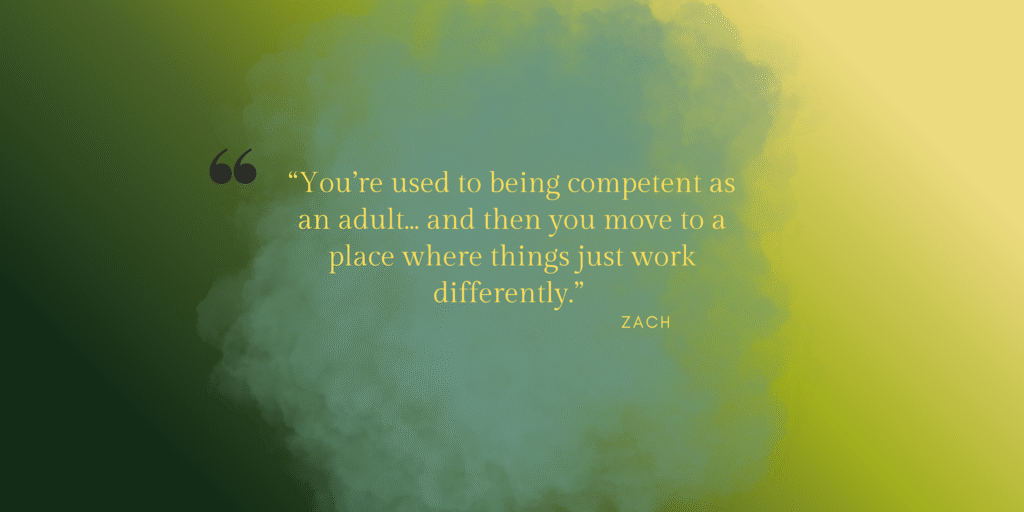
The first weeks often feel magical, they’re even referred to as the honeymoon phase. Then reality sets in: you start to see differences, things aren’t as easy as they were in your home country. Things take longer. Systems work differently. You’re suddenly incompetent at tasks you’ve done effortlessly your whole life, and that’s frustrating. You just have to learn your way around new systems and a new culture: be patient.
That emotional rollercoaster is normal, and temporary; but only if you expect it, and accept that you won’t be living the same life you did previously. Be open to the change, it’s the beginning of your growth and identity shift.
Logistics & Admin: What to Prepare for Before You Move
Relocation to Costa Rica involves more admin than most people expect, especially if you’re moving without employer support.
Visas & Legal Status
Costa Rica offers several residency options (pensionado, rentista, investor, digital nomad). Each has different financial and documentation requirements, and they change frequently. So do your research, and create a checklist of documents and appointments to book.
What expat pitfalls to watch out for:
- Outdated online information
- Immigration rules changing every so often
- Incorrect or incomplete paperwork leading to rejections
- Be on the lookout for scams: buying a car can cost you a lot
“People find information online, but a lot of it is outdated or wrong… and then they get rejected and have to start all over again.” — Zach
Banking & Paperwork
Opening a bank account, getting local IDs, and handling tax implications (especially for US citizens) can be complex. Many processes require patience, in-person visits, and multiple steps.
Taxes
For expats, one piece of good news: Costa Rica only taxes income earned locally, which can make the tax system surprisingly easy to navigate if your income comes from outside the country.

Housing
Renting before buying is crucial. Renting short-term will allow you to test out the waters without committing long-term. Check-out a few areas you are considering with short-term rentals to see if Costa-Rica is a fit for you and find the location that suits your lifestyle and needs best.
“We hate to see people who came on vacation once and then buy property. Don’t do that. Rent first.” — Zach
Zach and Anna visited five different towns, stayed short-term, then long-term and ended up somewhere they didn’t expect: Nuevo Arenal, a small lake town near La Fortuna—and one restaurant played a surprising role in that decision.
Understanding Costa Rican Culture: Pura Vida Is Real
Costa Rica’s culture is warm, relational, and community-oriented, but it requires a mindset shift for an easier integration.
Things are slower. Appointments change. Processes take time. And pushing for efficiency often backfires. Relationships are key in the country, are at center of any exchange or transaction. this can be very surprising when you come from the US where everything is business oriented.
“We moved here because of Costa Rica. It’s not going to change for us—and we shouldn’t expect it to.” — Zach
If you can lean into that, it becomes one of the most rewarding parts of expat life.
Anna also shared how this sense of community has shaped their family life: everyone in the town knows their daughter and has taken her in.
Final Thoughts: Is Costa Rica Right for You?
Costa Rica isn’t for everyone, and that’s okay.
But if you’re open to slowing down, learning a new way of living, integrating a community and letting go of how things “should” work, relocation to Costa Rica can be deeply rewarding.
As Zach put it perfectly:
“The differences that frustrate you are often the exact ones that drew you here.”
And that might be the most expat truth of all. If you’re considering relocating to Costa Rica, go further with this Costa Rica country guide.
Leave a Reply